What Is the Biggest Reason Behind the Mysteries of the Bermuda Triangle?
The Bermuda Triangle has puzzled the world for decades, thanks to its reputation for unexplained disappearances and peculiar incidents. Located in the western part of the North Atlantic Ocean, it forms a triangular region connecting Miami, Bermuda, and San Juan, Puerto Rico. Often called the "Devil's Triangle," this area has captured imaginations and fueled debates about its mysteries.
What lies at the heart of these strange occurrences? Let's explore the fascinating theories and facts surrounding this infamous region.
Understanding the Bermuda Triangle
Before diving into the theories, it's important to get a solid understanding of the location itself and why it holds such a mysterious reputation.
Geographical Features
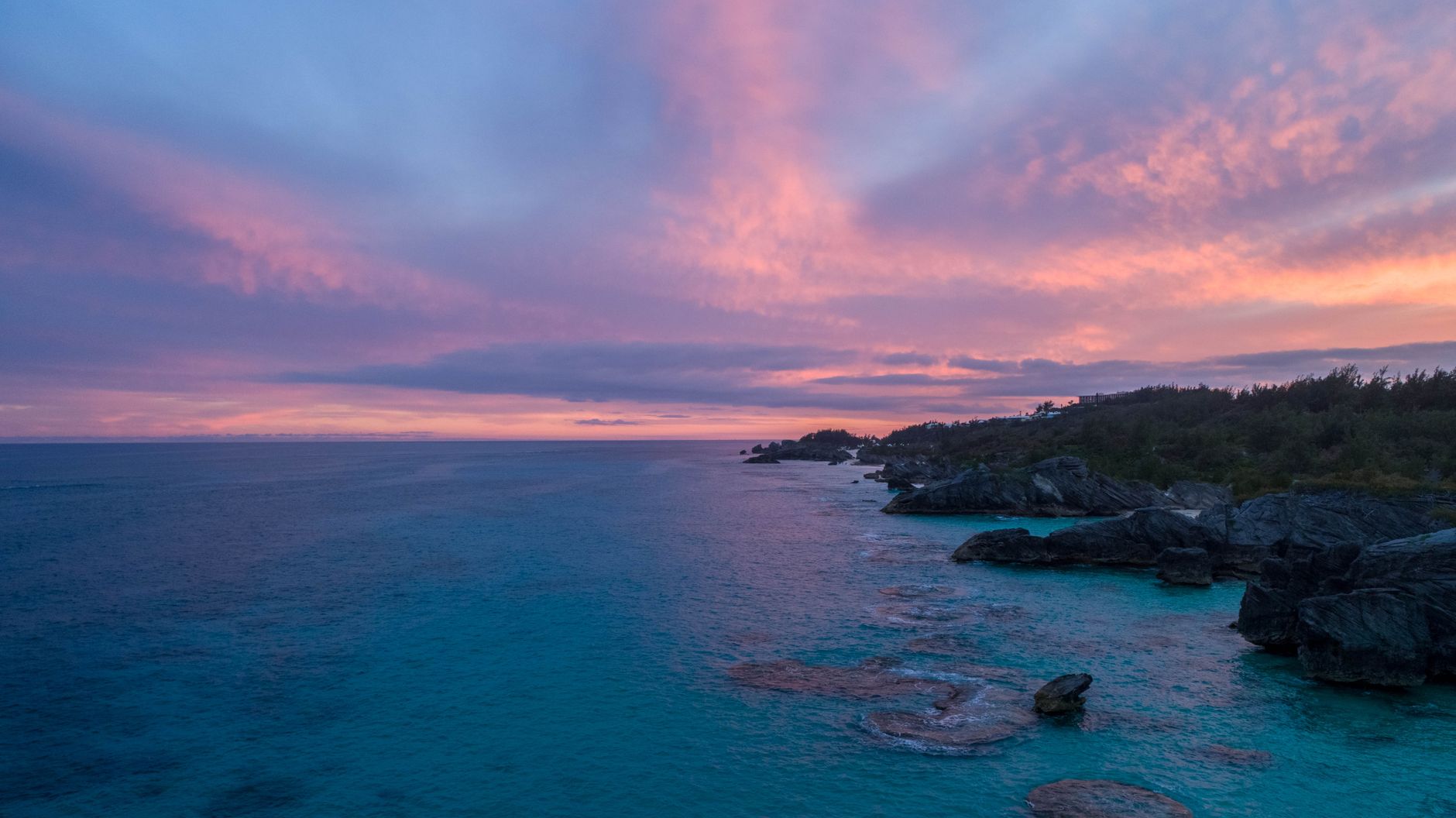
The Bermuda Triangle covers an area of about 500,000 square miles in the North Atlantic. Its three points are Miami (Florida), the island of Bermuda, and San Juan in Puerto Rico. Known for its warm waters and tropical storms, the region is a hub for maritime activity. It's also part of shipping lanes and air travel routes, making it a busy but potentially hazardous area.
Historical Incidents
The lore of the Bermuda Triangle gained traction in the mid-20th century. One of the most famous incidents was the disappearance of Flight 19 in 1945. A group of five U.S. Navy bombers vanished while on a training mission, later followed by a rescue plane that also went missing.
Ships like the USS Cyclops, an enormous Navy cargo ship, disappeared without sending any distress signals in 1918. These and other incidents have led many to associate the area with supernatural and scientific anomalies.
The Biggest Theories Behind Mysterious Disappearances
When it comes to the Bermuda Triangle, people love to speculate. Here's a closer look at the leading theories.
Natural Explanations
Nature is powerful, and plenty of scientists believe that the phenomena linked to the Bermuda Triangle can be explained by it.
-
Methane Gas Hydrates
Large concentrations of methane gas trapped beneath the seafloor could be released suddenly, creating massive bubbles. These gas pockets could potentially sink ships by reducing water buoyancy. -
Unpredictable Weather Patterns
The tropical nature of the area means hurricanes and sudden storms are common. These weather events can cause sudden turbulence for aircraft and massive waves for ships. -
Rogue Waves
Waves over 100 feet tall have been documented in open waters. These rogue waves can overpower even large vessels, sinking them in minutes without leaving much debris.
Human Error and Navigational Challenges
Simple human mistakes could also explain much of the Bermuda Triangle's mystery. Modern GPS systems weren't available during the earlier days of exploration, making navigation much harder.
-
Magnetic Anomalies
Some believe the Triangle experiences magnetic variations that interfere with compasses. While unusual, such errors could easily confuse pilots and captains. -
Frequent Traffic
With so many ships and planes passing through, the chances of accidents are higher. Statistical probability may play a bigger role in these incidents than many realize.
Paranormal Explanations
If natural forces don't fully satisfy the imagination, theories of the supernatural certainly take over. Some people claim extraterrestrial involvement, suggesting UFO kidnappings or alien research missions. Others point to time warps or "magnetic vortices" as causes for the disappearances. While these are speculative, they add an air of intrigue to the Bermuda Triangle's reputation.
Scientific Investigations and Research
Science has attempted to demystify this enigmatic zone. While no definitive answers exist, ongoing research sheds light on some of the facts and misunderstandings.
Key Research Studies
Over the years, studies have mapped the region's weather, ocean currents, and seafloor. The U.S. Geological Survey analyzed methane hydrate deposits, concluding that although they could theoretically cause disasters, they likely don't occur frequently enough to explain the Triangle's incidents.
In another effort, documentary projects and private explorations have examined wreckage found in the ocean. However, most evidence points to standard causes like storms, navigation failures, or mechanical breakdowns.
Expert Opinions
Scientists like David Kusche, author of The Bermuda Triangle Mystery: Solved, argue that this area isn't any more dangerous than other parts of the ocean. Data shows that disappearances occur at a rate comparable to other heavily traveled regions. Kusche and others believe the mystery lies more in exaggeration and sensationalism than in genuine phenomena.
Conclusion and Final Thoughts
The Bermuda Triangle has captivated us with its alluring lore, but reality often proves less thrilling. Though disappearances in the region are real, explanations usually point to natural events, navigational errors, or statistical coincidences. For all its intrigue, the true enigma may be our fascination with the unknown.
Whether you see the Bermuda Triangle as a mystery or a myth, one thing's certain: it sparks the imagination like few other places on Earth. So the next time you hear a story about its unsolved cases, you'll know there's likely a very human—or natural—reason behind the mystery.
إرسال تعليق